


Best Vacuum for Dust Allergies: 2026 Guide
, by Editorial Team, 16 min reading time
, by Editorial Team, 16 min reading time
Find the best vacuum for dust allergies with HEPA filtration and sealed systems. Compare top models for allergen removal and real relief.
Last Updated: October 18, 2026
When dust allergies make breathing uncomfortable at home, finding the best vacuum for dust allergies becomes essential. At Vacuums Unlimited, we've spent decades helping customers find machines that actually contain allergens instead of spreading them back into the air. The difference between a standard vacuum and one engineered for allergy relief comes down to filtration design, bag containment, and how you empty the machine.
This guide covers the best vacuums for dust allergies available today, focusing on sealed filtration systems, HEPA technology, and real-world allergen containment during maintenance. We've evaluated machines across upright, canister, and specialty designs to help you choose based on your flooring, household size, and sensitivity level.
Quick Picks:
| Vacuum Model | Type | Starting Price | Filtration | Best For |
|---|---|---|---|---|
| Riccar R27P Clean Air Premium Pet | Upright | $799.99 | Pleated HEPA (99.97% at 0.3 microns) | Pet owners with allergies |
| Riccar Premium Pet Tandem Air | Upright | $1,699.00 | Seven-stage sealed system with HEPA Plus | Severe allergy sufferers |
| Miele Guard L1 AllFloor | Canister | $849.00 | AirClean Plus (99.9% fine dust) | All floor types, allergy-sensitive homes |
| Miele Guard L1 Cat & Dog | Canister | $899.00 | Active AirClean filter | Homes with pets and allergies |
| SEBO Airbelt E3 Premium | Canister | $1,149.00 | Three-stage S-Class sealed (99.97% at 0.3 μm) | Mid-size homes with pets |
| SEBO Airbelt D4 Premium | Canister | $1,449.00 | Three-stage S-Class sealed (99.9% at 0.3 microns) | Large homes, variety of flooring |
Choosing a vacuum for dust allergies requires looking beyond marketing claims about HEPA filters. We evaluated each machine on three critical factors: how well the filtration system captures particles, whether the design prevents allergen leakage during normal use and emptying, and how practical the machine is for real households.

We prioritized sealed-system designs where filtration stages work together to trap allergens before they reach the exhaust. We also considered whether bags are self-sealing, how easy maintenance is without exposure, and whether the machine includes sensors to alert you when cleaning is needed. Bagged vacuums ranked higher than bagless models for allergy sufferers because the bag itself acts as a containment barrier during disposal.
The Riccar R27P Clean Air Premium Pet Upright Vacuum at $799.99 delivers practical allergy relief without requiring a premium price tag. This bagged upright combines pet-focused cleaning power with features specifically designed to reduce allergen exposure in your home.
What makes this machine stand out for dust allergies is the dust and allergen sensor. Amber lights on the headlight illuminate when fur, dander, or dust is detected, then turn off when the area is clean.
The pleated HEPA filtration captures 99.97% of dust and dander particles down to 0.3 microns. The self-sealing bag is the real advantage here: when you remove the bag, it seals automatically, containing collected allergens instead of releasing them into the air during disposal.
The one limitation: as an upright, it's less maneuverable than canister models on stairs or upholstered furniture. If your home is primarily one level with carpet or hard floors, this machine handles the job efficiently. The 5-year manufacturer warranty backs the durability.
For allergy sufferers who need maximum containment, the Riccar Premium Pet Tandem Air Vacuum Cleaner at $1,699.00 represents the highest level of sealed-system engineering available in an upright design.

The seven-stage filtration system with HEPA Plus media filter and self-sealing HEPA media bag ensures no dust escapes. A granulated charcoal filter neutralizes odors and volatile organic compounds. The dirt sensor detects particles invisible to the eye, so you remove gritty material before it damages carpet fibers.
The machine includes a 15-foot cleaning reach with balanced design so pulling the hose doesn't topple the unit. Metal construction on the handle tube, brushroll, bottom plate, and wand ensures durability through years of heavy use. Riccar backs this model with its longest upright vacuum warranty. The bonus self-cleaning Fur Get It pet tool handles upholstery without clogging.
Where this machine costs more is justified by the sealed system and dual-motor power. If dust allergies significantly impact your quality of life, the investment in maximum filtration containment pays dividends in reduced symptoms.
German engineering meets allergy relief in the Miele Guard L1 line. These canister vacuums prioritize lightweight maneuverability and sealed filtration across all floor types. We recommend three configurations depending on your specific needs.
The Miele Guard L1 AllFloor Vacuum Cleaner at $849.00 is the best value for allergy-sensitive homes with mixed flooring. Its AllFloor floorhead transitions seamlessly between hardwood, tile, and low-to-medium carpets without tool switching.
For homes with pets, the Miele Guard L1 Cat & Dog Vacuum Cleaner at $899.00 adds a turbo brush that removes embedded hair from carpets and upholstery.
The Miele Guard L1 Vacuum Cleaner at $1,249.00 is the full-featured model with maximum suction and filtration for homes requiring deep cleaning performance.

SEBO's German-made canister vacuums prioritize sealed filtration and quiet operation. The SEBO Airbelt E3 Premium Vacuum Cleaner at $1,149.00 is the mid-size option, featuring a three-stage S-Class sealed filtration system that captures 99.97% of particles down to 0.3 microns.
For larger homes or those requiring maximum reach, the SEBO Airbelt D4 Premium Vacuum Cleaner at $1,449.00 offers flagship performance. The three-stage S-Class sealed filtration captures 99.9% of fine dust down to 0.3 microns. The 6-liter Ultra-Bag provides greater capacity between emptying cycles, reducing your exposure frequency.
Riccar R27P Clean Air Premium Pet Upright Vacuum →
Both SEBO models include the ET-1 electric powerhead for carpet cleaning and additional floor tools for versatility. The 10-year motor and parts warranty (7-year labor with registration) reflects SEBO's confidence in durability.
HEPA filtration captures particles, but allergy relief depends on the entire system working together. A vacuum with a HEPA filter can still expose you to allergens if air bypasses the filter or particles escape during bag removal.
True HEPA filtration meets strict standards: capturing 99.97% of particles down to 0.3 microns (or in Europe's H13 standard, 99.95% down to 0.1 microns). When a manufacturer states a HEPA filter's performance, they're describing a specific, testable capability.
HEPA-type or HEPA-style claims are marketing language without regulatory backing. A filter labeled "HEPA-type" may capture fewer particles or larger particle sizes.
The Riccar R27P captures 99.97% at 0.3 microns. The Miele Guard L1 models capture 99.9% of fine dust. SEBO's sealed filtration captures 99.97% at 0.3 microns. These are measurable, true HEPA standards. When shopping, look for the specific percentage and micron size rather than vague HEPA claims.
A sealed filtration system means air cannot bypass the filter through gaps or cracks. In a sealed system, all air passes through filtration stages before exiting the machine.
Bagless vacuums inherently struggle with sealed filtration because the dust bin creates a potential leakage point every time you empty it.
The Riccar Premium Pet Tandem Air's 100% sealed filtration means no air bypasses the system. The SEBO D4's three-stage sealed system captures particles at multiple points: pre-motor filter, electrostatic bag, and exhaust microfilter.
For allergy sufferers, sealed-system design is more important than filter type alone. A good HEPA filter in a non-sealed system still allows some particles to escape.
The moment you empty your vacuum is when allergen exposure peaks.
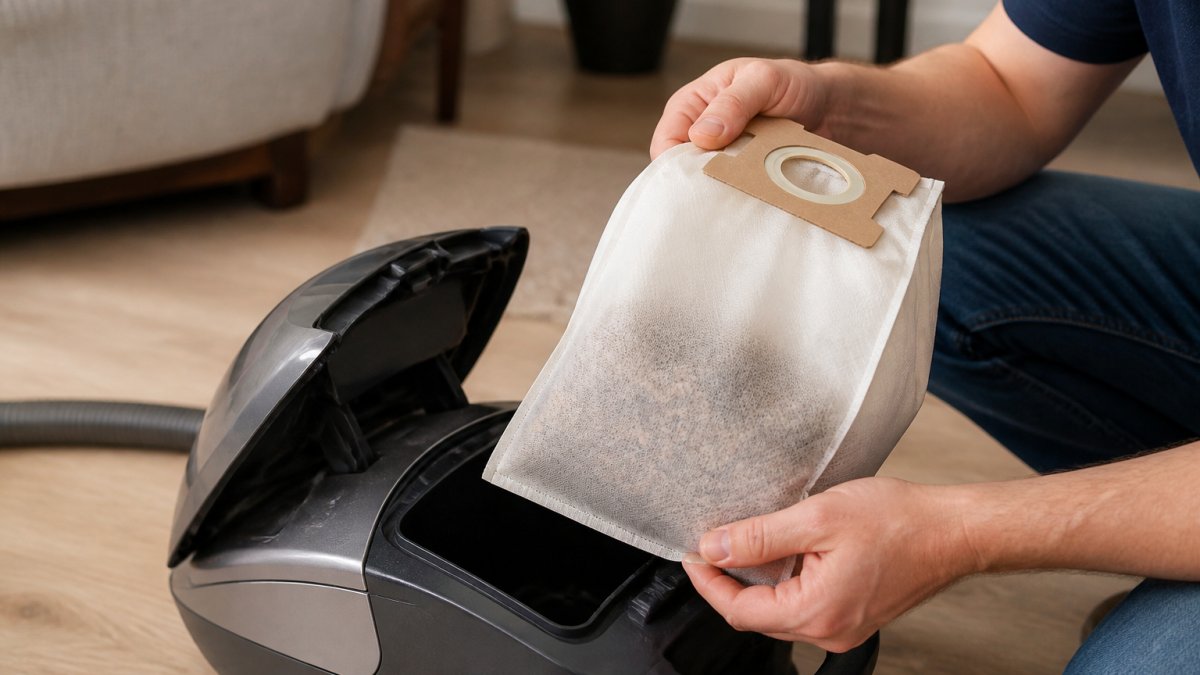
When you remove a bagged vacuum's bag, it seals automatically. The bag itself contains the collected dust, dander, and allergens. You place the sealed bag directly into trash without exposure.
Maintenance also matters. Bagged vacuums require filter replacement, but the process is simpler than bagless models. You replace the filter without handling accumulated dust.
For allergy sufferers, bagged vacuums are the practical choice. The containment design prevents the allergen cloud that occurs with bagless emptying. Combined with true HEPA filtration and sealed-system design, bagged machines provide the protection your home needs.
Dust allergies don't have to control your home. Our team can demonstrate how sealed filtration works and help you choose based on your flooring, household size, and sensitivity level. Shop Vacuums and experience the difference genuine allergy-focused design delivers.
A true HEPA vacuum cleaner captures 99.97% of particles down to 0.3 microns, which includes dust mites, pollen, and dander. However, effectiveness depends on sealed filtration throughout the entire system. If air can bypass the HEPA filter through cracks or loose connections, allergens escape back into your home. Look for vacuums with sealed-system designs, self-sealing bags, and multiple filtration stages. The Riccar R27P and Riccar Tandem Air both feature pleated HEPA filtration with self-sealing bags that contain allergens during disposal.
Yes, bagged vacuums are generally better for allergies. When you empty a bagless vacuum, you're directly exposed to the dust cloud as the bin empties. Bagged vacuums contain allergens inside the bag, and self-sealing bags seal automatically when removed, minimizing exposure. Models like the Riccar R27P and Miele Guard L1 use self-sealing bags with multiple filtration stages. If you have severe allergies, bagged vacuums with sealed systems reduce your direct contact with collected allergens significantly.
Allergies get worse after vacuuming when the vacuum releases fine particles back into the air instead of containing them. This happens with bagless vacuums during emptying, vacuums with poor filtration, or machines with air leaks around seals and hoses. Dust mites, dead skin cells, and pollen become airborne again, triggering symptoms. Using a sealed-system vacuum with true HEPA filtration and a self-sealing bag dramatically reduces this effect. Always empty bags outdoors when possible, and avoid opening the collection chamber indoors.
The best vacuum for dust mites combines sealed filtration, strong suction, and a self-sealing bag system. Dust mites thrive in carpets and bedding, so you need a machine that captures them deeply and contains them securely. The Riccar Premium Pet Tandem Air features a seven-stage filtration system with sealed design, capturing dust mites and their allergens without re-releasing them. For canister vacuums, the SEBO Airbelt D4 offers three-stage S-class sealed filtration capturing 99.9% of fine dust down to 0.3 microns, ideal for dust mite allergen control.
Most HEPA filters should be replaced annually or when the vacuum's filter indicator signals replacement. High-traffic homes or homes with pets may need replacement every 6-8 months. Miele HEPA AirClean filters include a TimeStrip that releases a red line over one year, indicating replacement time. Clogged filters reduce suction and force air through bypasses, defeating allergen capture. Regular filter replacement maintains the vacuum's ability to capture 99.97% of particles. Check your vacuum's manual for specific recommendations, and replace bags or filters promptly to maintain peak performance.